Leonardo AI vs Midjourney 2026: The Complete Comparison Guide
Last Updated: 2026-01-22 18:08:21
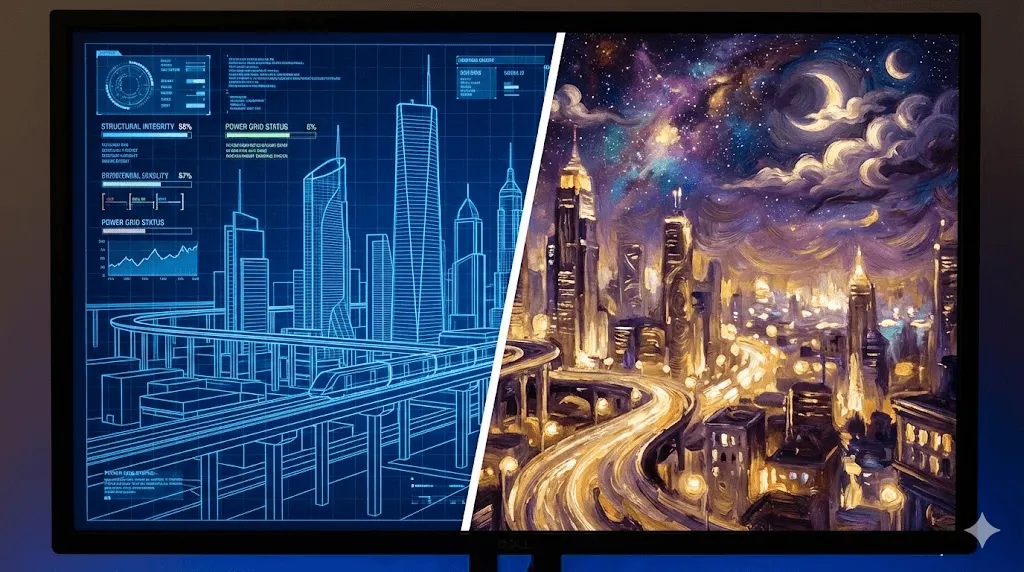
The AI image generation space looks completely different than it did 12 months ago. Leonardo AI and Midjourney have both pushed major updates in 2025, and frankly, picking between them isn't as straightforward as it used to be.
I've spent the last three months testing Leonardo AI and Midjourney in real, day-to-day creative work not just quick demo prompts. Between client projects, mockups, style tests, and plenty of late-night trial runs, I’ve seen how both platforms behave when you're relying on them for actual output. Some generations were great, some required a few retries, and some revealed clear differences in how these tools think.
This guide focuses on those practical differences the ones that actually matter once you start using these platforms seriously.
Quick Take: Which One Should You Actually Use?
Go with Leonardo AI if:
- You need to match specific brand guidelines
- Video content is part of your workflow
- You're working on a tight budget (that free plan is legit)
- You hate Discord with a passion
- Custom models matter for your projects
Go with Midjourney if:
- Beautiful > precise is your aesthetic
- You don't mind Discord (or actually enjoy it)
- The creative community aspect appeals to you
- You're willing to pay for consistent quality
- Artistic exploration drives your work
What's Changed in 2025?
| Feature Update | Leonardo AI (2025) | Midjourney (2025) |
|---|---|---|
| Major Release | Motion 2.0 (video upgrade) | V7 model (best coherence to date) |
| New Capabilities | Custom model training (Flux Elements) | Draft Mode (10x faster iteration) |
| Visual Quality Improvements | Phoenix model: better hands, faces, text | Cinematic composition, improved lighting |
| UI Changes | Cleaner interface, real time previews | Editor overhaul, improved tools |
| Special Features | Video generation, style preservation | Remix, Tile, Style Ref, Character Ref |
Breaking Down What Actually Matters
Getting Started: Interface and Learning Curve
Leonardo AI feels like using proper design software. Everything's web based, tools are where you'd expect them, and there's a walkthrough when you sign up. Took me maybe 20 minutes to generate my first decent image.
Here's the thing though there are SO many options. Platform presets, contrast settings, image guidance modes, elements with adjustable weights... It's powerful, but I won't lie, it took me a solid week before I stopped feeling overwhelmed. Once you get past that initial "what does this button do?" phase, it's smooth sailing.
Midjourney lives in Discord, which is either perfect or terrible depending on who you ask. If you already use Discord for gaming or communities, you'll feel right at home. If Discord confuses you, there's definitely a learning curve.
Commands start with "/imagine" and you're basically chatting with a bot. Sounds weird, but it works. The web interface they launched in August 2024 helps if Discord isn't your thing, though some features still only work through Discord.
The Discord setup means your work is public by default. Everyone can see what you're creating and what prompts you used. Some people love this community transparency you learn by seeing others' work. Others hate it and have to pay $60/month for "stealth mode" to keep things private.
Real talk: Leonardo AI is easier for beginners. Midjourney rewards you more once you've put in the time to learn it.
Image Quality: The Part Everyone Cares About
| Criteria | Leonardo AI | Midjourney |
| Photorealism | ⭐⭐⭐⭐☆ | ⭐⭐⭐⭐⭐ |
| Artistic Quality | ⭐⭐⭐☆ | ⭐⭐⭐⭐⭐ |
| Lighting & Composition | ⭐⭐⭐⭐ | ⭐⭐⭐⭐⭐ |
| Anatomical Accuracy | ⭐⭐⭐⭐ | ⭐⭐⭐⭐⭐ |
| Consistency | ⭐⭐⭐⭐ | ⭐⭐⭐☆ |
| Client ready Output | ⭐⭐⭐⭐ | ⭐⭐⭐⭐⭐ |
Leonardo AI leans photorealistic. Their Phoenix model produces sharp, detailed images that look like they could be photographs. When I generated product mockups for a client last month, the results were clean enough to use with minimal editing.
They've got specialized models too:
- Phoenix for those almost too real portraits
- Anime models that actually understand the style
- Custom trained models that remember your brand's look
Sometimes the images feel a bit... sterile? Like they're technically perfect but missing that creative spark. Good prompting helps, but you need to push it.
Midjourney consistently produces images that feel artistic. I'm talking about composition, lighting, mood stuff that looks like someone with actual art training made deliberate choices. Fantasy scenes, character designs, moody landscapes... this is where Midjourney shines.
I've generated the same prompt on both platforms dozens of times. Leonardo gives me exactly what I asked for. Midjourney gives me something I didn't know I wanted, but it's often better.
The verdict?
Depends on what you need. Client work where you need to match specific requirements? Leonardo AI. Creative projects where you want something that makes people stop scrolling? Midjourney.
Control vs. Creativity: How Much Do You Want to Tweak?
Leonardo AI gives you control over basically everything:
Image Guidance has 8 modes for working with reference images. Elements lets you stack up to 4 LoRA models with individual weight controls. Negative prompts tell the AI what NOT to include. Platform presets optimize settings for specific uses. You can adjust contrast, set generation modes, create transparent backgrounds...
Then there's custom model training. Upload 10 20 images of your product, brand aesthetic, or whatever, and Leonardo learns it. Generate a hundred variations that all match your style. This is honestly the killer feature for anyone doing professional work.
The AI Canvas lets you edit in real time. Paint areas, extend images, remove objects all while the AI generates updates on the fly.
Midjourney works differently. Less knobs to turn, more prompt mastery:
You've got stylization ranges (raw to highly stylized), style references ( sref) to match other images, character references ( cref) for consistency, chaos parameters for variety, and aspect ratio control.
It's more about learning the "language" of prompts. Which words trigger certain aesthetics? How do you describe that specific lighting you want? The Discord community helps a lot here you see what prompts produced which results.
Here's what I've noticed after three months:
Leonardo AI is faster when you know exactly what you want. Set your parameters, generate, done.
Midjourney is better for discovery. You might not get what you asked for, but sometimes you get something better.
Video: Leonardo's Secret Weapon
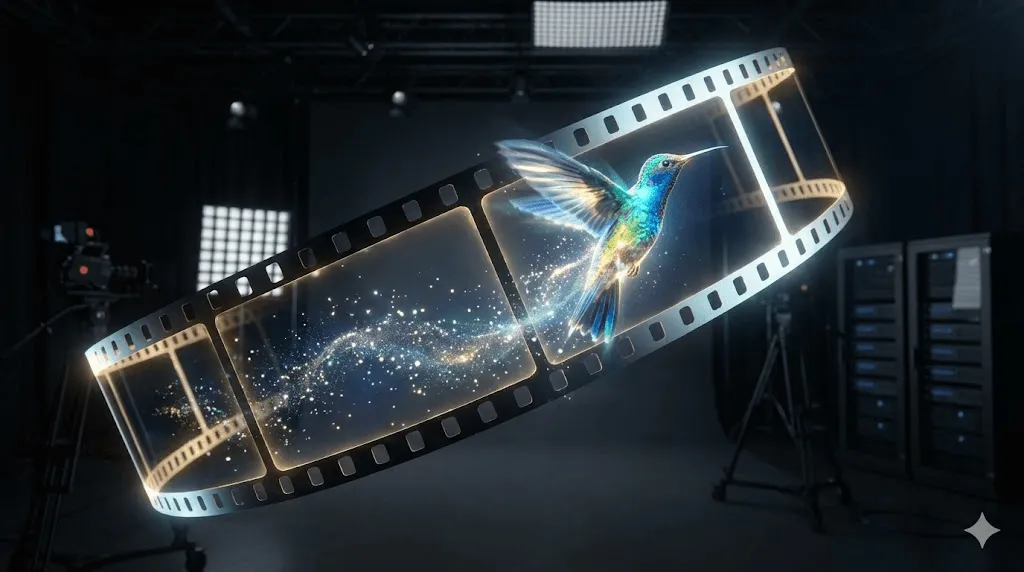
Leonardo AI includes Motion 2.0 for video generation. Take any image and add motion camera movement, subtle animation, whatever. It's not Hollywood level stuff, but for social media content? Absolutely usable.
I've used it for Instagram Stories, LinkedIn posts, and even some client presentation backgrounds. The motion adds just enough interest without being distracting. Processing is fast, and you can control motion strength.
Midjourney doesn't do video at all. You'd need to generate a sequence of images with slight variations, then assemble them in Premiere or After Effects. Doable, but tedious.
If video is part of your content strategy, this alone might make your decision.
Speed: Does It Matter?
Both platforms are quick. Usually 30 60 seconds per generation, depending on settings and how busy the servers are.
Leonardo AI has fast mode (priority queue) and quality mode (slower but better). Their unlimited plans include "relaxed generation" basically unlimited slow processing when you run out of fast tokens.
Midjourney offers fast, relax, and turbo modes. Similar concept, different naming.
In practice? They're close enough that speed shouldn't be your deciding factor. Both are plenty fast for actual work.
Pricing: What You Actually Pay
| Plan | Leonardo AI | Midjourney |
| Free Tier | 150 tokens/day | ❌ None |
| $10/mo | 8,500 fast tokens | ~200 fast generations |
| $30/mo | 25,000 fast tokens + unlimited slow | 15 GPU hours + unlimited relax |
| $60/mo | 60,000 fast tokens + unlimited slow + 50 custom models | 30 GPU hours + Stealth Mode |
| Private Mode | Included in all paid plans | Only at $60+ |
What this means in practice:
Leonardo AI's free tier is genuinely useful. I used it exclusively for two weeks before upgrading, and never felt artificially limited. The token system is transparent you see exactly what each generation costs.
Midjourney has no free option. You're paying from day one. The GPU hour system is less intuitive (how long is one generation? depends on your settings). But once you understand it, the costs are predictable.
The $30/month tier on both platforms gives you enough generation capacity for regular use. Leonardo edges ahead with better value, but Midjourney's quality might justify the investment depending on your needs.
Privacy note: If you need private generation, Leonardo includes it on all paid plans. Midjourney requires the $60 Pro plan for stealth mode. This matters for client work or proprietary projects.
- Commercial Use and Licensing
Both platforms allow commercial use of generated images with paid plans, but there are important distinctions.
Leonardo AI:
- Free plan: Limited commercial rights
- Paid plans: Full commercial rights
- Private mode available on all paid plans
- Images generated in private mode remain private
Midjourney:
- All paid plans include commercial rights
- Public mode is default (all images visible to community)
- Stealth mode (private generation) requires Pro plan ($60/month)
- Businesses earning over $1M annually must use Pro or Mega plans
Winner: Leonardo AI for businesses needing privacy on a budget; Midjourney for clearer commercial terms.
- Community and Support
Leonardo AI provides:
- Comprehensive help center with detailed documentation
- Direct in app support messaging
- Growing Discord community (3rd largest in the world)
- Regular blog updates and tutorials
- Responsive customer support team
Midjourney offers:
- Massive Discord community with millions of active users
- Community driven learning and inspiration
- Extensive documentation and quick start guides
- Direct interaction with other creators
- Faster community support due to larger user base
Winner: Midjourney for community size and engagement; Leonardo AI for direct customer support.
When to Use Which Platform
Let me get specific about real use cases because abstract comparisons only help so much.
Leonardo AI Works Best For:

Product design and e commerce I've generated product shots that clients actually used in their stores. Transparent backgrounds built in, photorealistic enough for catalogs, and way cheaper than photo shoots.
Brand consistency That custom model training? Absolute game changer. Upload 15 images of your brand style, and every generation maintains that look. No more hoping the AI understands your brand guidelines.
Social media managers Video generation for Stories and Reels. Batch creation. Consistent aesthetic across posts. You can plan and generate a week of content in an afternoon.
Game developers Character concepts that actually stay consistent. Environment textures. UI elements. The granular control matters when you need things to fit together.
Midjourney Shines For:
Concept art and illustration Fantasy characters, environmental designs, book covers. The artistic quality justifies the cost when you need something visually striking.
Marketing campaigns When you need that one hero image that stops people mid scroll. Midjourney's aesthetic sense beats Leonardo AI here.
Architectural visualization Atmospheric renders that sell the feeling of a space. Interior concepts that clients actually respond to emotionally.
Creative exploration Brainstorming, moodboards, finding unexpected directions. The community aspect helps seeing what others create sparks ideas.
The Hidden Costs: What Most Comparisons Miss
Time Investment
Leonardo AI requires upfront time investment to understand its extensive features. However, once mastered, it can save significant time through:
- Batch generation (up to 8 images simultaneously)
- Custom model training (eliminating repetitive prompt tweaking)
- Integrated editing tools (reducing need for external software)
Midjourney has a faster initial learning curve for basic generation but requires more time for:
- Iterative refinement through variations
- Prompt engineering to achieve specific results
- Manual editing in external software
- Discord navigation and command memorization
Infrastructure Costs
Leonardo AI consolidates multiple tools:
- Image generation
- Video creation
- Background removal
- Upscaling
- Image editing
This consolidation can eliminate subscriptions to 3 6 separate tools, potentially saving $50 100 monthly.
Midjourney focuses purely on image generation, requiring additional tools for:
- Video editing (Adobe Premiere, DaVinci Resolve)
- Background removal (Remove.bg, Photoshop)
- Upscaling (Topaz Gigapixel AI)
- Advanced editing (Photoshop, Affinity Photo)
Common Pitfalls and How to Avoid Them
Leonardo AI Pitfalls:
- Token Burnout: New users often exhaust free tokens quickly by generating too many images without refinementSolution: Start with quality mode, refine prompts carefully, use the AI prompt enhancer
- Overwhelming Options: The extensive customization can paralyze decision makingSolution: Start with platform presets, gradually explore advanced features
- Model Confusion: Switching between models without understanding their specializationsSolution: Read model descriptions, test each with identical prompts to understand differences
Midjourney Pitfalls:
- Discord Overwhelm: The constant stream of community generations can be distractingSolution: Use private bot or focus on web interface, mute channels
- Parameter Confusion: Understanding s, c, sref, cref and other parametersSolution: Master 2 3 parameters before adding more to your workflow
- Cost Unpredictability: GPU hours can be difficult to estimateSolution: Track usage carefully, use relax mode for non urgent work
Emerging Trends: What's Coming in 2026
Based on industry developments and platform trajectories:
Leonardo AI is likely to expand:
- Longer video generation (currently limited to a few seconds)
- More sophisticated custom model training
- Real time collaborative editing
- Enhanced integration with design tools
Midjourney is expected to introduce:
- Version 7 with significantly improved coherence
- Native video generation capabilities
- More accessible pricing tiers
- Enhanced web platform features
The Verdict: Leonardo AI vs Midjourney for Different Users
| Category | Winner | Reason |
| Best Overall (2025) | Leonardo AI | Best balance of features, value, pricing, and commercial usability |
| Best Artistic Quality | Midjourney | Most visually impressive, creative, stylistic, and expressive output |
| Best Free Option | Leonardo AI (Free Tier) | 150 daily tokens, enough for real use not a “fake” free plan |
| Best for Professionals | Leonardo AI | Custom models, brand consistency, private mode, enterprise features |
| Best for Creative Exploration | Midjourney | More artistic unpredictability, community inspiration, better for ideation |
| Best for Business Use | Leonardo AI | Budget friendly, video generation, predictable results |
| Best for Branding Work | Leonardo AI | Custom model training maintains consistent visual identity |
Final Recommendations
Best Overall: Leonardo AI
For most users, Leonardo AI's combination of features, pricing, and capabilities provides the best value in 2025. The generous free tier allows risk free experimentation, while paid plans scale affordably.
Best for Artistic Quality: Midjourney
If aesthetic excellence matters most and budget isn't a primary concern, Midjourney's artistic capabilities remain unmatched.
Best Value: Leonardo AI Free Tier
150 daily tokens make Leonardo AI the clear winner for casual users and those learning AI image generation.
Best for Professionals: Leonardo AI
Custom model training, brand consistency, and video generation make Leonardo AI the professional choice.
Frequently Asked Questions
Q: Can I use both platforms simultaneously?
A: Absolutely. Many professionals use Leonardo AI for commercial work and brand assets while using Midjourney for creative exploration and inspiration.
Q: Which platform is better for generating images with text?
A: Neither excels at text rendering. Consider Ideogram or DALL E 3 for text heavy designs.
Q: Do I need design experience to use these platforms?
A: No, but design fundamentals (composition, color theory, visual hierarchy) will help you create better prompts and recognize quality outputs.
Q: How long does it take to become proficient?
A: Basic proficiency: 1 2 weeks. Advanced skills: 2 3 months of regular use.
Q: Can these replace professional photographers and illustrators?
A: They're powerful tools but work best as collaboration partners rather than replacements. Human creativity, art direction, and refinement remain essential.
Q: Which platform has better customer support?
A: Leonardo AI offers more direct support channels, while Midjourney relies heavily on community support.
Q: Is it worth paying for both platforms?
A: For professionals requiring both photorealistic precision and artistic creativity, maintaining subscriptions to both ($30/month each) can be justified by the increased creative flexibility.
Conclusion
The Leonardo AI vs Midjourney debate doesn't have a universal answer it depends entirely on your specific needs, budget, and creative goals.
Start with Leonardo AI's free tier to explore AI image generation without financial commitment. Experiment with different models, test the video features, and see if the interface matches your workflow.
Try Midjourney's basic plan ($10/month) if artistic quality and creative exploration drive your work. Give the Discord interface a genuine try many users who initially resist it end up loving the community aspect.
Most importantly, remember that these are tools to amplify human creativity, not replace it. The best results come from users who combine AI capabilities with their own creative vision, refinement skills, and unique perspective.