Kling AI vs Sora: Which AI Video Generator Is Best for You in 2026?
Last Updated: 2026-01-22 18:08:21
Two platforms have been dominating conversations among video creators lately: OpenAI's Sora and Kuaishou's Kling AI. After spending the past month testing both extensively, I wanted to share what I've learned about how they actually perform.
After weeks of jumping between the two tools and running the same prompts through both sometimes simple product angles, sometimes chaotic multi element scenes I started to notice clear patterns in how each platform behaves. Some generations surprised me, others fell apart in ways I didn’t expect.
What follows isn’t a lab report it’s the practical, real world picture of what actually works, what doesn’t, and where each platform gives you the most value
Here's what you need to know upfront:
Go with Sora when:
- Quality matters more than budget (projects where you can't afford to compromise)
- You're creating content for paying clients or brands
- The cinematic look is non negotiable
- You already pay for ChatGPT Plus anyway
Go with Kling AI when:
- You need to test the waters before committing money
- Your videos need to run longer than 60 seconds
- Physics accuracy matters (product demos, educational content)
- You're producing content daily and need volume
Platform Overview: Understanding the Competitors
Sora: The OpenAI Entry
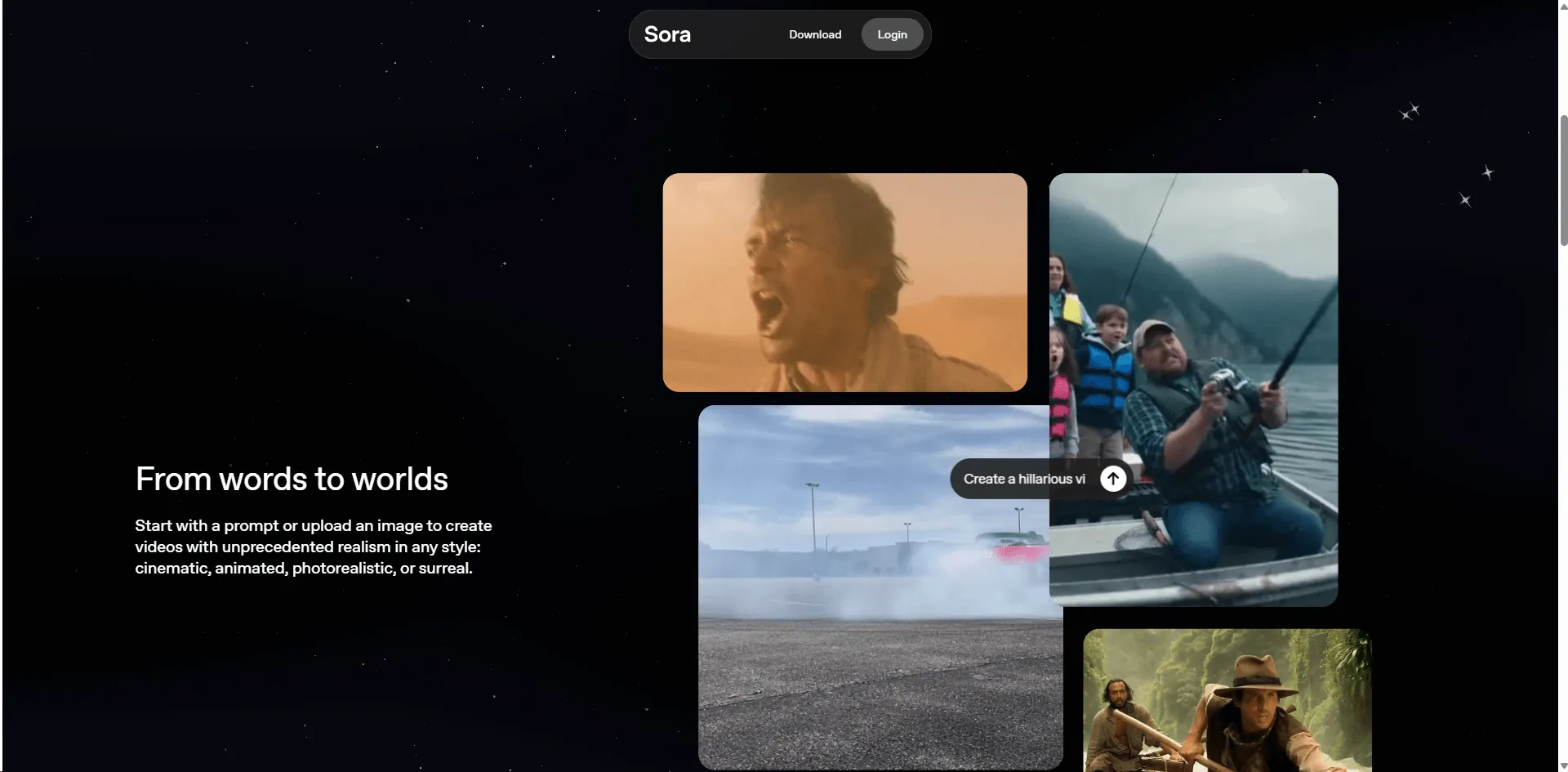
OpenAI announced Sora in February 2024, though most people couldn't actually use it until December. It's built by the same team behind ChatGPT and DALL E, which explains both the hype and the high expectations.
The thing about Sora is this: when it works, it really works. I've generated clips that had colleagues asking if they were real footage. The lighting feels natural, the camera movements make sense, and there's a polish that's hard to describe but easy to spot.
What stands out:
- Videos that look like they were shot on actual cameras
- Handles complex lighting scenarios well
- Over 100 different style options
- Generally faster processing than Kling
The catch: You need a ChatGPT subscription ($20 200/month depending on tier), and even then, access is limited to certain regions. No free trial means you're buying before trying.
Kling AI: The Chinese Alternative
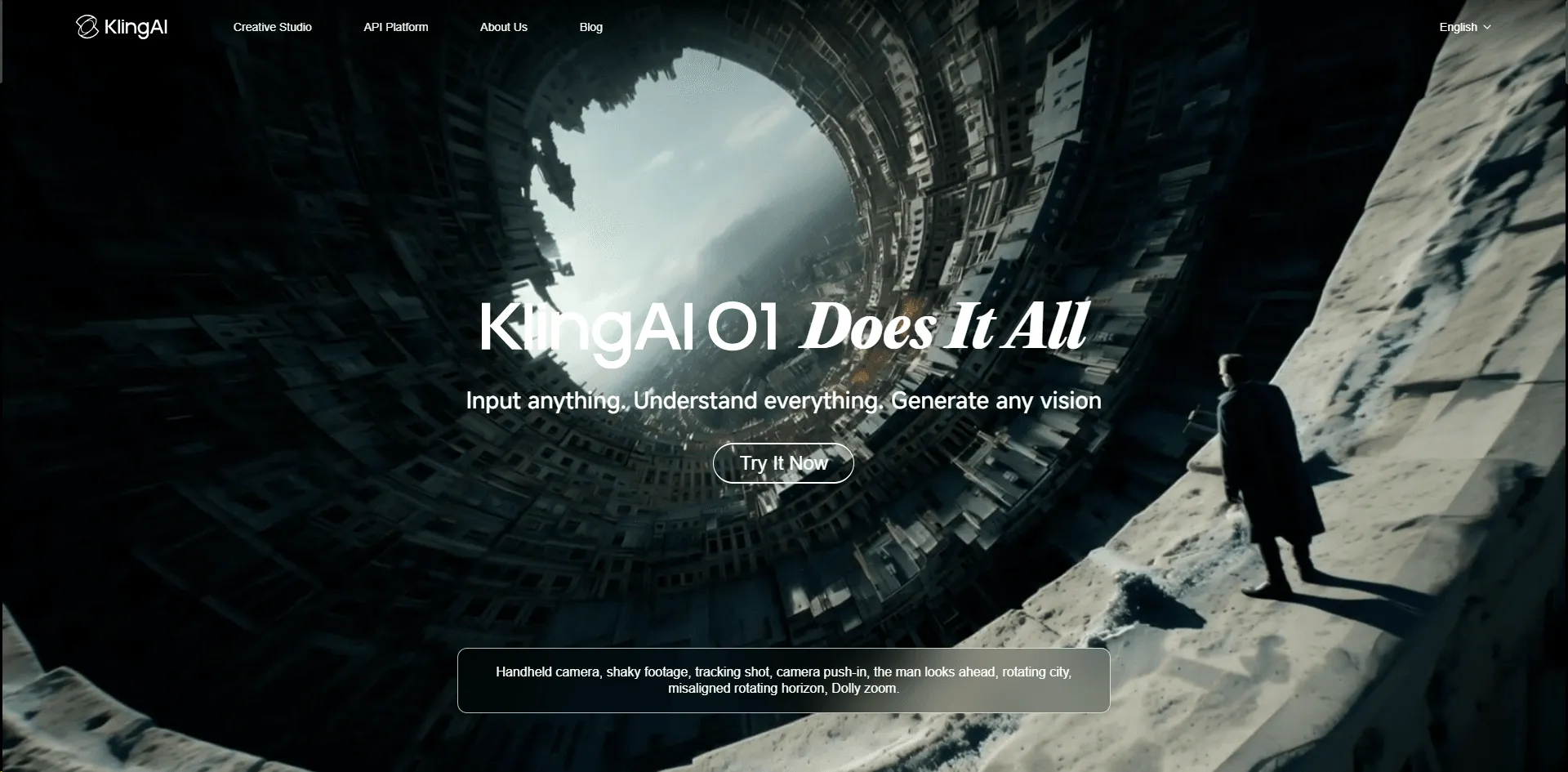
Kling comes from Kuaishou Technology you might know them from the Kwai video app. They've released several versions (1.0, 1.5, 1.6, 2.0, and now 2.5 Turbo), which tells you they're iterating quickly.
What surprised me about Kling was how it handles physics. Drop a ball down stairs in Sora and sometimes it'll bounce weird. Kling gets it right more often. The company clearly spent time on motion simulation.
What works:
- Free tier with 66 daily credits (actually usable, not a tease)
- Can generate up to 2 minute videos (vs Sora's 1 minute)
- Better physics simulation
- Motion brush for precise control
- Actually available worldwide right now
What doesn't: The raw visual quality sits a notch below Sora. Not bad just not quite as polished. And the free tier can be slow (10+ minute waits).
Comprehensive Feature Comparison
| Feature | Sora | Kling AI | Winner |
|---|---|---|---|
| Maximum Video Length | 60 seconds | 120 seconds | 🏆 Kling AI |
| Resolution | 1080p | 1080p | 🤝 Tie |
| Frame Rate | 30fps | 30fps | 🤝 Tie |
| Text to Video | ✅ Excellent | ✅ Excellent | 🤝 Tie |
| Image to Video | ✅ Available | ✅ Available | 🤝 Tie |
| Physics Simulation | Good | Exceptional | 🏆 Kling AI |
| Photorealism | Outstanding | Very Good | 🏆 Sora |
| Motion Control | Limited | Advanced (Motion Brush) | 🏆 Kling AI |
| Style Options | 100+ | 50+ | 🏆 Sora |
| Generation Speed | 3~8 minutes | 5~10 minutes | 🏆 Sora |
| Public Availability | Subscription Required | ✅ Free Plan Available | 🏆 Kling AI |
| Free Trial | ❌ No | ✅ Yes (66 credits daily) | 🏆 Kling AI |
| Starting Price | $20/month | $0 (Free), $3.88/month (Paid) | 🏆 Kling AI |
| Camera Controls | Basic | Advanced | 🏆 Kling AI |
| Character Consistency | Good | Good | 🤝 Tie |
What I Actually Tested
Rather than just reading spec sheets, I ran both platforms through five different scenarios. Same prompts, side by side results.
Test 1: Macro Detail Work
I asked both for: "Morning dewdrops on a spiderweb, golden hour lighting, macro style"

Sora nailed this one. The water droplets had that light refraction you see in real macro photography. The web looked like organic individual strands with natural imperfections. Even the out of focus background felt right.
Kling produced a good video, but the droplets were too perfect. Too spherical. The web looked a bit geometric. Still impressive, but you could tell something was off if you looked closely.
Edge: Sora When you need photo real detail, it's still the one to beat.
Test 2: Physics Challenge
Prompt: "Basketball bouncing down concrete stairs, outdoor setting"
This is where things flipped. Sora's version looked gorgeous, great lighting, nice colors. But the ball did this weird float thing between bounces. The rotation didn't quite match the movement.
Kling handled it better. The bounce dynamics felt real. Each impact made sense. The ball spun correctly. It's not going to fool a physicist, but for most viewers, it would pass.
Edge: Kling AI If your content involves movement and physics, this matters.
Test 3: People Walking
I tested: "30 year old woman walking through busy city street, cinematic style"
Sora delivered that film look the kind of shot you'd see in a commercial. Natural gait, good skin texture, even the background pedestrians moved convincingly. The color grading had that 35mm film quality.
Kling's version was solid but felt more "video y" than cinematic. The movement was good, just not as refined. Less atmospheric overall.
Edge: Sora For human focused content that needs polish, no contest.
Test 4: Creative Scenarios
"Glowing jellyfish swimming through neon lit cyberpunk city"
Both handled this well, actually. Sora leaned more artistic the glow effects were stunning, the color palette was richer. Kling was more literal but still delivered a clean result in less time.
Edge: Sora Slight advantage for creative/stylized work.
Test 5: Duration Test
"90 second timelapse of clouds over mountains"
Sora can't do this. Caps at 60 seconds. I had to split it into two clips, which looked disconnected.
Kling generated the full 90 seconds in one go. Sure, there was a slight quality dip in the middle section, but having one continuous clip matters more than marginal quality differences for many use cases.
Edge: Kling AI Sometimes you just need more time.
Speed & Reliability
Sora typically processes in 3 6 minutes for standard clips. During peak times, I've seen it stretch to 8+ minutes. Pro subscribers get priority, which actually matters when you're iterating.
Kling AI varies wildly by tier. Free users wait 7 12 minutes. Paid tiers bring that down to 5 8 minutes. Premier subscribers get 3 5 minute turnaround with priority queuing.
In terms of uptime, Sora went down three times during my testing month (2 6 hours each). Kling had one outage (about an hour). Both platforms had occasional hiccups where generations just failed and needed redoing about 8 12% of the time for either one.
The Money Question
Sora's pricing:
- Requires ChatGPT Plus at minimum ($20/month)
- Gets you ~50 video generations monthly
- ChatGPT Pro ($200/month) removes limits and adds priority processing
The frustrating part? You can't just buy Sora access. You're paying for ChatGPT whether you use it or not.
Kling AI breaks down like this:
- Free: 66 credits daily (enough for 3 6 videos depending on settings)
- Standard ($3.88/month): 660 credits, removes watermarks, unlocks pro features
- Pro ($12.88/month): 3,000 credits plus priority queue
- Premier ($28.88/month): 8,000 credits, fastest processing
Here's my math: If you're making 20 50 videos monthly, Kling's Pro plan beats Sora's minimum price by a mile. Sora only makes financial sense if you're already using ChatGPT daily or you need absolute maximum quality for client work.
Where Each Platform Actually Shines
Sora works best for:
High stakes marketing When you're presenting to a Fortune 500 client and everything needs to look premium. I've seen agencies use Sora for car commercials and luxury brand content where the budget allows for perfection.
Film pre production Directors use it for concept visualization and pitching scenes before shooting. The cinematic quality helps sell the vision.
Branded content Anything going on your main website or in a major campaign. The OpenAI name also carries weight with corporate decision makers.
Quick example: A friend's marketing agency used Sora for a watch brand pitch. The lighting on the product was so good the client asked which studio they shot in. They got the contract.
Kling AI makes sense for:
Social media volume If you're posting daily to TikTok, Instagram, or YouTube, the free tier alone can cover a lot. Several creators I know use Kling for their regular content pipeline.
Educational content Teachers and course creators appreciate the longer video lengths and physics accuracy for demonstrations. Plus the pricing works on educator budgets.
Product demonstrations When you need to show how something moves or works, Kling's physics engine helps. One e commerce seller told me their Kling generated product videos increased conversions.
Testing phase Anyone exploring AI video for the first time should start here. Zero financial risk to learn the ropes.
Real example: A fitness coach creates daily workout tip videos with Kling. The free tier handles his entire weekly content calendar. He's never paid a dollar.
The Honest Downsides
What frustrates me about Sora:
The biggest issue? No trial. You're dropping $20 minimum just to see if it works for you. That's a barrier.
60 second cap hits harder than you'd think. I've had to restart so many concepts because they needed just 20 more seconds.
Limited camera control compared to Kling. You're mostly trusting Sora's interpretation of your prompt.
Physics can get weird with multiple moving objects. I had a scene with three people where one person's arm phased through another's shoulder. Subtle, but noticeable.
No audio. Every video is silent. You're adding sound in post no matter what.
What frustrates me about Kling:
The quality gap is real. It's not huge, but Sora's outputs just look more finished. Kling sometimes has that "slightly artificial" feel, especially in textures.
Free tier wait times will test your patience. 10 12 minutes per video adds up fast when you're iterating.
The interface takes getting used to. More options means more complexity. Sora is simpler to just jump in and use.
English documentation could be better. It's improving, but some features aren't well explained if you don't read Chinese.
What neither handles well:
Both struggle with:
- Text in videos Signs, labels, anything with letters usually comes out garbled
- Hands doing detailed things Fingers get weird, especially during precise movements
- Subtle facial expressions Big emotions are fine, but nuanced reactions often look off
- Consistent character faces The same person might look slightly different frame to frame
- Perfect timing Hard to sync actions to specific moments in your head
Expert Tips for Maximum Results
Prompt Engineering Best Practices
For Sora (optimize for visual quality):
- Include cinematic terminology: "35mm film," "shallow depth of field," "golden hour"
- Specify lighting conditions explicitly
- Reference photography styles: "shot like a Nike commercial"
- Keep prompts focused on visual atmosphere
For Kling AI (optimize for motion realism):
- Describe physics accurately: "ball bounces with decreasing height"
- Include camera movement details: "slow dolly zoom"
- Specify motion speed: "walks at normal pace"
- Use the motion brush feature for precise control
Common Mistakes to Avoid
- Overcomplicating prompts: Both AI tools perform better with clear, focused descriptions rather than lengthy paragraphs
- Ignoring aspect ratio: Choose the right ratio for your platform (9:16 for social, 16:9 for YouTube)
- Not iterating: First generations rarely perfect refine your prompt based on results
- Expecting perfection: Even the best outputs may need minor editing in post production
What's Coming Next
Both companies are actively developing, though with different focuses.
OpenAI mentioned they're working on native audio (finally), potentially longer video lengths, and API access for developers. The Sora 2.0 update everyone's talking about should bring better consistency across frames.
Kling's already testing version 3.0 with improved photorealism. They're also pushing toward sub minute generation times and better integration with standard editing software. Audio visual sync is apparently in the pipeline too.
The gap between these platforms will likely narrow over 2025. Sora's getting better at physics, Kling's improving visual quality. Give it six months and this comparison might look different.
My Bottom Line
After a month of daily testing, here's where I landed:
Pick Sora when:
- Your project budget has room for quality tools
- Clients are paying and expect premium results
- The OpenAI brand name matters to your situation
- You want the most polished possible output
- You're already using ChatGPT Plus anyway
Pick Kling AI when:
- You're just starting with AI video and want to learn risk free
- Volume matters more than marginal quality differences
- You need videos longer than 60 seconds
- Budget is tight (free tier actually works)
- Physics accuracy matters for your content type
Real talk: Most people reading this should start with Kling's free tier. Spend a week learning how prompts work, what's possible, what's not. Then decide if upgrading to either platform makes sense for your specific needs.
The creators I know who are doing this full time often use both. Kling for the bulk of their content, Sora for key pieces where quality can't be compromised. That's probably the smartest approach if you can swing it financially.
For everyone else start free with Kling, learn the ropes, then reassess in a month or two based on your actual needs rather than hypotheticals.
About this comparison: I spent November and December 2025 testing both platforms. Generated 100+ videos with identical prompts where possible. This reflects real world usage, not cherry picked best examples. Your results may vary based on your specific prompts and use cases.