
AI Action Figure Generator in 2025: 15 Must-Try Tools to Design Unique Figures
Last Updated: 2025-11-13 17:26:47
Introduction
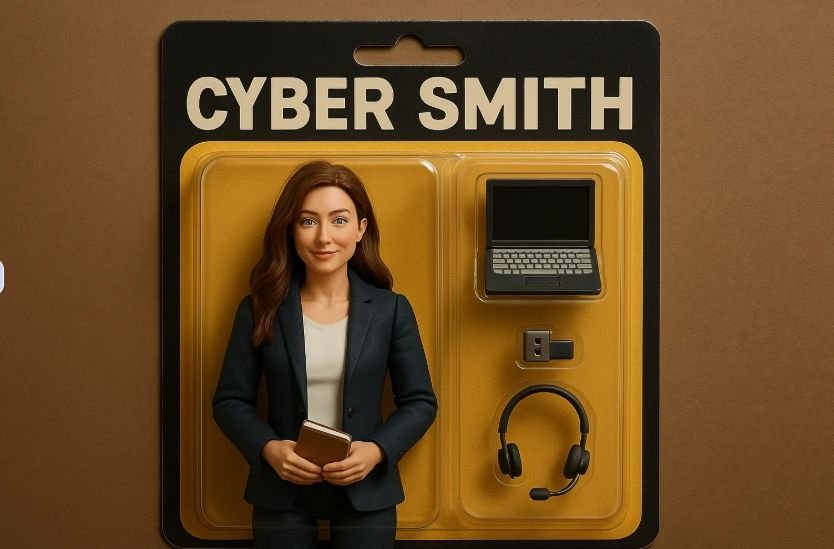
Custom action figures have always sparked our imaginations from creating our dream superheroes to gifting personalized keepsakes. In 2025, AI Action Figure Generator tools empower anyone to bring these fantasies to life, whether you’re a complete beginner, an AI enthusiast exploring creative prompts, or a professional seeking streamlined concept art or 3D prototypes. These tools turn photos and descriptions into vivid action figure visuals complete with packaging, accessories, and style making creativity faster, more accessible, and endlessly fun.
What Is an AI Action Figure Generator? (120–150 words)
At its core, an AI Action Figure Generator is a software or web‑based tool that transforms your photos or simple text prompts into styled action‑figure images. Beginners can easily upload selfies or write fun descriptions and watch instant toy‑like transformations. AI users experiment with prompts to refine style from chibi to sci‑fi heroic discovering how AI interprets pose, lighting, and packaging. Professionals, such as game or toy designers, can generate rapid prototypes or marketing visuals without extensive design setup. Many tools offer variants, from blister‑pack realism to cartoon charm. LSI keywords like “AI figure modeling,” “photo to toy,” and “3D twisted packaging illustrations” fit naturally within this space.
Top 15 Best AI Action Figure Generator Tools in 2025
Below are 15 standout tools each tailored for different needs. (Note: some may be niche or newer.)
Bylo.ai AI Action Figure Generator
Overview: A browser-based, free tool powered by GPT-4o Image API that lets you upload a selfie and choose poses, accessories, and packaging no design skills required.(Bylo.ai) Website: Bylo.ai Best for: Beginners and social-media creators Key Features:
- Full customization (poses, items, packaging text)
- Wide range of visual styles sci‑fi, retro, fantasy
- One‑click sharing and downloads Pros: Highly intuitive; great visual control Cons: Not 3D exportable; purely visual output Pricing: Free, with instant use Conclusion: Perfect for anyone wanting a quick, personalized action-figure image with creative flair and no hassle.
FluxAI Free AI Action Figure Generator
Overview: A web-based tool offering instant, free generation of action-figure visuals using text descriptions no sign-up needed. Supports themes like sci-fi, anime, fantasy.(Bylo.ai) Website: FluxAI.art Best for: Game developers, concept artists, collectors Key Features:
- Text‑only prompt generation
- No registration needed
- Multiple style variations Pros: Fast, accessible; flexible style Cons: No photo input; 2D only Pricing: Free Conclusion: Ideal for sparking ideas or visual drafts when you don’t have a photo to upload.
Clipfly AI Action Figure Generator
Overview: A free online tool for converting uploaded photos into action-figure-style images with themed packaging and accessories.(Clipfly) Website: Clipfly.ai Best for: Casual users and fans crafting tributes to characters or celebrities Key Features:
- Photo upload support (JPG, PNG)
- Customizable accessories and packaging
- Easy download interface Pros: Versatile effects (clay, 3D-like, anime) Cons: Purely visual; may lack nuance in customization Pricing: Free Conclusion: A fun, easy way to transform yourself, a pet, or a favorite character into a collectible-style image.
Fotor AI Action Figure Creator
Overview: Image-based AI filter upload a portrait, choose “Mini Figure” style under Cartoon tab to generate figure-like visuals with accessories.(Clipfly, Fotor) Website: Fotor Best for: Quick caricature-style toy visuals Key Features:
- Photo input
- Text prompts for accessories, boxes
- Free download Pros: Fast, intuitive, mobile-friendly Cons: Less realistic packaging; stylized Pricing: Free tier available Conclusion: Great for social media sharing or avatars with personality.
“AI Action Figure” Android App
Overview: A mobile app for designing custom action figures from head to toe with options for video and photo generation.(The Verge) Website: Google Play (Action Figure AI app) Best for: Android users seeking on-the-go figure creation Key Features:
- Full character customization
- Generate both photos and short videos
- Fantasy and hero themes Pros: Mobile friendly, feature rich Cons: App-based limitations, possible in-app purchases Pricing: May include freemium or ads Conclusion: Convenient for quick, creative figure concepts on mobile.
Adafruit AI 3D Printed Figure Project
Overview: A DIY workflow guiding users from ChatGPT-generated prompts to multicolor 3D-printable figurines.(Action Figure Generator, The Sun, FluxAI) Website: Adafruit Learn Best for: Makers and hobbyists wanting physical prints Key Features:
- ChatGPT prompts for visuals
- 3D model conversion workflow
- Multicolor printing techniques Pros: Fully hands-on; ends in real toys Cons: Requires printing hardware and skills Pricing: Project-based (cost of materials only) Conclusion: Excellent for creators looking to bring AI figures into the physical world.
Microsoft Copilot 3D
Overview: A preview feature in Copilot Labs that converts single 2D images into 3D models (GLB), suitable for 3D printing or game assets.(Real Simple, Windows Central, Adafruit Learning System) Website: Microsoft Copilot Best for: Professionals needing 3D model output from photo input Key Features:
- Supports JPG/PNG under 10MB
- Converts to GLB format
- No subscription required Pros: Outputs usable 3D models Cons: Struggles with humans/animals; still experimental Pricing: Free preview Conclusion: Ideal early-adopter tool for prototyping physical figures and game-ready assets.
Midjourney (with custom prompts)
Overview: Primarily a text-to-image AI (V7); with tailored prompts, users can generate stylized “action-figure” visuals.(The Verge, Wikipedia, FluxAI) Website: Midjourney.com Best for: AI artists and concept art professionals Key Features:
- Discord/website interface
- Highly detailed, stylized renderings
- Works well for creative mockups Pros: Powerful visual quality Cons: Requires prompt finesse; no photo upload Pricing: Subscription-based Conclusion: Best for high-end visuals and creative concepting.
ImagineMe AI Action Figure Generator
Overview: ImagineMe lets you upload 10–20 personal photos to train a custom AI model of yourself or a character. Once trained, you can use text prompts to generate high-quality, toy-style images that capture your likeness in different outfits, poses, and packaging designs. Website: ImagineMe.ai Best for: Users who want a highly personalized and reusable model for creating custom action figures. Key Features:
- Private AI model training for consistent results
- Prompt-based control over pose, outfit, and style
- High-resolution, print-ready images Pros: Highly customized output; reusable model saves time Cons: Requires multiple photo uploads; training takes time and credits Pricing: Free trial with credits; additional credits available for purchase Conclusion: Ideal for those who want the most authentic, repeatable, and personal action figure visuals.
OpenArt AI Toy Generator
Overview: OpenArt’s toy generator turns any character or person into a toy-style illustration using only text prompts. It’s beginner-friendly, requiring no prior design knowledge, and delivers results in seconds. Website: OpenArt.ai Best for: Beginners who want a quick, text-only way to create toy visuals. Key Features:
- Simple prompt-to-image workflow
- Multiple style presets
- Initial free credits for testing Pros: Easy to use; no image upload required Cons: Less customization compared to advanced tools Pricing: Free tier with credits; paid plans for more generations Conclusion: A fast and accessible entry point for anyone curious about toy-style AI generation.
EaseMate AI Action Figure Generator
Overview: EaseMate specializes in turning uploaded photos into 3D-style collectible figure images. It focuses on ease of use and privacy, making it a good fit for casual creators. Website: EaseMate.ai Best for: Quick, safe, and simple figure generation from personal photos. Key Features:
- Upload photo and get instant 3D-style toy render
- Themed backgrounds and accessories
- Privacy-focused data handling Pros: Fast results; user-friendly interface Cons: Limited in-depth customization Pricing: Free Conclusion: Perfect for users who want fun, instant collectible-style visuals without the learning curve.
MakerWorld Image-to-3D Model Tool (MakerLab)
Overview: MakerWorld’s MakerLab offers an experimental tool that converts a single 2D image into a basic 3D model, opening the door to real, printable action figures. Website: MakerWorld Best for: DIY creators who want to turn AI-generated images into physical models. Key Features:
- Image-to-3D conversion
- Export in printable formats (e.g., STL, OBJ)
- Integrated with MakerWorld’s design community Pros: Bridges the gap between digital and physical Cons: Still experimental; may need post-processing in CAD software Pricing: Currently free with limited usage Conclusion: An exciting option for makers looking to prototype or print their AI-designed action figures.
3D AI Studio
Overview: 3D AI Studio offers photo-to-3D model generation, allowing creators to build textured, game-ready or printable action figure assets. Website: 3daistudio.com Best for: Professionals and hobbyists wanting 3D-ready outputs. Key Features:
- High-quality 3D reconstruction from photos
- Texture mapping and pose control
- Export to popular 3D formats Pros: Produces fully textured, usable models Cons: Paid service; requires high-quality images Pricing: Subscription-based Conclusion: A robust choice for users planning to integrate figures into games, animations, or 3D printing workflows.
H3: DreamBooth3D
Overview: DreamBooth3D combines personalized model training with 3D generation, letting users create accurate, detailed figure renders from minimal inputs. Website: DreamBooth3D Best for: Users seeking a personalized 3D generation workflow. Key Features:
- Train on a small set of images
- Generate 3D-consistent figure renders
- Works with text prompts for pose and style control Pros: Delivers more consistent likeness than generic tools Cons: Training takes time and credits Pricing: Credit-based pricing model Conclusion: Ideal for those who need accurate and consistent character-to-figure conversions.
NVIDIA AI Blueprint
Overview: NVIDIA AI Blueprint is a developer-focused platform that allows integration of AI-driven 3D generation into design pipelines. While not an off-the-shelf toy generator, it can be customized for creating figure prototypes. Website: NVIDIA AI Blueprint Best for: Developers and studios building custom figure-generation workflows. Key Features:
- AI-assisted 3D asset creation
- Integration with NVIDIA Omniverse
- Supports large-scale content generation Pros: Extremely flexible; high-end production quality Cons: Requires technical expertise Pricing: Developer access; cost varies by implementation Conclusion: Best suited for studios or advanced users integrating AI into professional toy or character production.
How to Choose the Best AI Action Figure Generator
Step-by-Step Guide:
- Determine Output Type – Do you just need an image or an actual 3D model? Tools like Copilot 3D suit the latter; FluxAI or Clipfly deliver 2D visuals.
- Photo vs. Text Input – If you want your likeness, choose photo-upload tools (Bylo.ai, Fotor). No photo? Go with text-only inputs (FluxAI, Midjourney).
- The level of Customization – Tools like Bylo.ai or Clipfly offer accessory and packaging options; generic filters (Fotor) have fewer tweaks.
- Ease of Use vs. Quality – Simple tools (Fotor, Adafruit) are beginner-friendly. For polished, high-detail renders, opt for Midjourney or professional 3D toolchains.
- Physical Output Needs – Planning 3D printing? Use workflows like Adafruit’s or Microsoft Copilot 3D that produce printable files.
Comparison Table:
| Tool | Price | Best For | Output Quality | Ease of Use | Unique Feature |
| Bylo.ai | Free | Social creators | Medium-High | Very easy | Accessories & packaging control |
| Copilot 3D | Free | 3D asset creators | Medium | Medium | GLB output from photos |
| FluxAI | Free | Concept sketching | Medium | Very easy | Text-only generation |
| Fotor | Free | Quick avatars | Medium | Very easy | Cartoon-style filters |
| Adafruit workflow | DIY | Physical printing | Variable | Requires skill | 3D multi-color print path |
| Midjourney | Subscription | High-quality art | High | Requires skill | Stylized, polished illustrations |
Pro Tips for Using AI Action Figure Generators (150–180 words)
- Use high-resolution, well-lit photos with minimal background for better photo-to-figure clarity.
- Refine your text prompts: include pose, outfit, accessories, style (e.g., “Noir detective with trench coat”).
- Combine tools generate ideas via FluxAI or Midjourney, then do final output in Bylo.ai or Copilot 3D.
- Use the packaging design as a narrative space: add fun nameplates, logos, or backstory on the card.
- Test multiple variations . Most tools offer several outputs; pick the best pose or angle for your project.
- For 3D printing, export to GLB or OBJ formats (from Copilot 3D) and check them in Blender for scale and manifold integrity.
- Be mindful of privacy and avoid uploading sensitive images and reviewing tool data policies.
Conclusion
AI Action Figure Generators in 2025 unlock a playful blend of creativity, technology, and personal expression across all experience levels. Beginners can instantly turn selfies into toy-style images and share memorable, standout content. AI enthusiasts get to experiment with prompt design, transforming imagination into vivid visuals. Professionals can prototype concepts, produce marketing assets, or even generate 3D models fast streamlining workflows from idea to mock-up.
Creation Roadmap:
- Experiment: Try free tools like Clipfly or Bylo.ai to get inspired.
- Upgrade: Move to detail-rich platforms like Midjourney for polished visuals or Copilot 3D for 3D assets.
- Integrate: Use workflows like Adafruit’s or 3D toolchains for printable output.
- Publish: Share on social media, prototype prints, or embed in creative projects.
Ready to design your own collectible hero (or alter-ego figure)? Dive in, explore creative prompts, and start building your custom legend today!